


Unlock Your Heating’s Potential with Power Flushing Services

Power Flushing Services West London: Unlock Your Heating System’s Potential and Improve Efficiency
Power flushing is a professional cleaning process for central heating systems that removes magnetite sludge, rust and debris to restore heat distribution and improve efficiency. This article explains what power flushing is, how the process works step by step, and which contaminants it targets so homeowners in West London can diagnose issues and decide when a flush is needed. Many households see cold spots, noisy boilers or discoloured radiator water long before their system reaches peak inefficiency, and those symptoms often point to sludge and corrosion that power flushing directly addresses. You will learn how technicians carry out a power flush, what tools and chemicals are involved, the measurable benefits for boilers and radiators, and typical London cost factors that determine quotes. The guide also covers how to spot warning signs, how often flushing is needed, and common post-service expectations so readers can evaluate providers and protect warranties. Finally, the article outlines how trusted local teams deliver the service with minimal disruption, links technical explanations to practical delivery in West London, and invites readers to request an inspection if they suspect sludge is harming their heating efficiency.
What Is Power Flushing and How Does It Work?
Power flushing is a targeted cleaning method that uses a high-flow pump to circulate water and cleansing chemicals through a central heating system to dislodge and remove magnetite and other deposits. The mechanism relies on reversing and accelerating flow through radiators, pipework and the boiler to break up blockages, carry suspended particles to the drain, and then leave the system protected with an inhibitor to reduce reformation. The core benefit is restored heat transfer and balanced circulation, which reduces boiler workload and improves room-by-room comfort. Understanding the sequence of steps clarifies why a systematic approach is necessary and what outcomes to expect after a successful flush.
What happens during the service visit and how long each phase takes is useful to know before booking a technician, so the next section outlines the typical operational steps and approximate timelines.
What Happens During a Central Heating Power Flush?
A professional power flush begins with a diagnostic inspection, isolating the system and recording the initial state of boiler, radiators and pipework before intervention. Technicians then attach hoses and a power flushing machine to circulate water and chemical cleaners at controlled pressure and velocity, alternating flow directions to free trapped magnetite and loosen rust particles. The suspended debris is flushed to waste while water samples are checked until clarity is restored, after which a corrosion inhibitor is added and the system is repressurised and rebalanced for even heating. This staged process typically takes between a half day for small systems and up to a full day for larger or heavily contaminated systems, and successful flushing usually produces visibly cleaner water and noticeably improved radiator heat distribution.
This practical sequence leads directly into the kinds of contaminants a flush targets and why they matter for system performance.
Which Contaminants Does Power Flushing Remove?
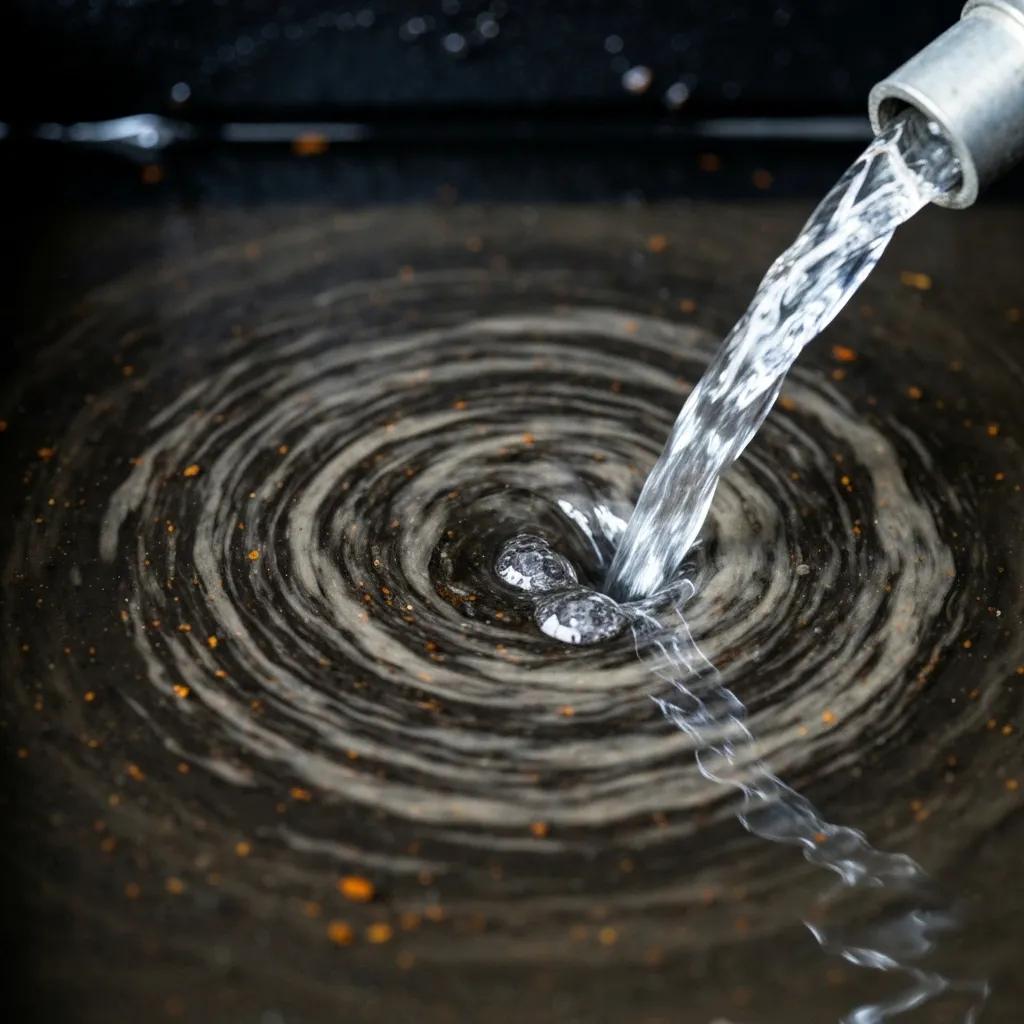
Power flushing removes magnetite (black iron oxide sludge), rust particles, scale and general sediment that accumulate in radiators, pipework and the boiler heat exchanger over time. Magnetite forms from internal corrosion of iron components and behaves like abrasive silt that impedes flow, creates cold spots and accelerates mechanical wear on pumps and boiler components. Other deposits such as calcium scale or pipe sediment further reduce surface heat transfer and can compromise manufacturer warranties if left unaddressed. Eliminating these contaminants restores efficient circulation and reduces mechanical stress, which protects the boiler and radiators while improving energy performance.
Removing these fouling agents is the precursor to the performance benefits homeowners usually notice after a successful power flush.
What Are the Signs Your Heating System Needs a Power Flush?
Recognising early symptoms helps homeowners decide when to arrange a power flush rather than waiting for complete failure or expensive component replacement. Common indicators include uneven heating across radiators, loud or unusual noises from the boiler or pipework, and discoloured or black water when radiators are bled or drained. Left unresolved, these symptoms usually worsen and lead to higher fuel use, reduced comfort and potential boiler strain, so timely action can prevent escalation and restore normal operation.
The checklist below highlights actionable diagnostic tips you can use before contacting a professional.
- Cold spots on radiators: Signifies restricted flow or partial blockages that prevent hot water reaching radiator ends.
- Noisy boiler or banging pipes: Indicates trapped debris or air being forced through restricted passages, increasing mechanical stress.
- Black or brown water when bleeding radiators: Shows magnetite or rust present in the system, an urgent indicator for cleaning.
- Slow heating or high boiler cycling: Suggests reduced heat transfer and extra workload for the boiler, increasing fuel consumption.
These practical checks help homeowners prioritise systems for service and provide technicians with useful initial observations.
How Do Cold Spots and Noisy Boilers Indicate Sludge Build-Up?
Cold spots occur when sludge, magnetite or debris restricts flow to a radiator’s top, bottom or specific panels, producing uneven surface temperature despite the thermostat setting. This restricted flow creates hydraulic imbalance that forces other radiators to overwork, causing longer running times and higher fuel bills while also increasing temperature differential across the system. Noisy boilers and pipework often result from trapped particles and air pockets that disrupt laminar flow and cause banging, gurgling or kettling sounds as water struggles through narrowed passages. Identifying these symptoms early and linking them to likely sludge build-up provides a clear justification for a targeted power flush rather than patch repairs.
Understanding these mechanical causes clarifies why cleaning and rebalancing have immediate comfort and efficiency benefits.
Why Is Discoloured Water a Warning Sign for Heating System Cleaning?
When bleeding radiators produces dark or black water, the colour is typically magnetite and oxidised iron suspended in the system, which directly signals internal corrosion and sludge accumulation. This discoloured water not only impairs heat transfer but also erodes pump seals and boiler heat exchangers over time, risking component failure and potentially invalidating certain manufacturer conditions if maintenance is neglected. A simple tap-test—bleeding a small radiator valve and inspecting the discharge—can give an early, inexpensive diagnosis that warrants further investigation. Prompt cleaning stops ongoing corrosion by removing abrasive particles and allows a protection plan such as inhibitor and magnetic filtration to be implemented.
These diagnostic cues set the stage for understanding the measurable benefits a power flush delivers when correctly applied.
What Are the Key Benefits of Power Flushing Your Heating System?
Power flushing delivers measurable benefits across individual radiators, the boiler and the whole system by improving flow, restoring heat transfer and reducing corrosion rates through inhibitor treatment. The mechanism is simple: removing insulating sludge increases surface contact between water and metal, which boosts energy efficiency and balances heat distribution. System-wide gains include quieter operation, lower boiler cycling and potential reductions in heating bills, while component-level benefits extend service life for pumps and heat exchangers. The following table summarises these benefits by entity to clarify expected outcomes for homeowners considering a flush.
The table below compares typical benefits and gives homeowners a clear sense of what to expect after service.
This comparison demonstrates how a single intervention can produce gains at component level and system-wide savings, making power flushing a cost-effective maintenance step.
How Does Power Flushing Improve Energy Efficiency and Lower Heating Bills?
Power flushing improves energy efficiency by restoring unobstructed flow and reinstating proper heat transfer surfaces, which reduces the boiler runtime needed to reach set temperatures. As flow resistance drops, pump energy and boiler firing cycles fall, producing lower fuel consumption and improved comfort consistency across rooms. Real-world homeowners typically notice quicker warm-up times and steadier thermostat performance, which translate into reduced energy usage over a heating season. These efficiency gains make power flushing an environmentally positive intervention as well, since reduced fuel demand lowers emissions and aligns with energy-conscious maintenance strategies.
Improved efficiency also links directly to system longevity, which is the focus of the next subsection.
In What Ways Does Power Flushing Extend Boiler and System Lifespan?
Removing abrasive magnetite and sediment prevents accelerated wear on circulating pumps, seals and boiler heat exchangers, thereby reducing the likelihood of premature mechanical failure. Once cleaned, the addition of corrosion inhibitors and the installation of magnetic filtration reduce the rate of recontamination and slow ongoing internal corrosion. This protective approach is often necessary to meet manufacturer maintenance recommendations and to avoid voiding warranties that require regular, documented upkeep. By combining cleaning with inhibitor treatment and optional magnetic filters, homeowners not only recover lost efficiency but also protect future reliability and reduce long-term replacement costs.
These lifecycle benefits make a compelling case for scheduled system cleaning and follow-up protection measures.
How Does Flush Plumbing and Heating Deliver Professional Power Flushing Services in West London?
Flush Plumbing and Heating provides local power flushing services under a “Best Power Flushing West London” positioning, deploying Gas Safe registered engineers who aim to resolve stubborn heating issues with minimum disruption and property protection. The company emphasises careful working practices, experienced technicians and reliable service delivery across West London and surrounding areas, which helps homeowners feel confident that complex procedures will be handled professionally. Their local expertise means teams understand typical London property layouts and the access challenges that influence time and material needs. Below is a practical overview of the equipment and materials typically used in a professional power flush and how these elements support safe, effective cleaning.
The equipment roles and safety considerations follow naturally from this operational overview, so the next table summarises core components and their contributions.
This equipment comparison clarifies why a coordinated kit of machine, chemicals and filtration is central to professional, lasting results.
What Equipment and Chemicals Do Our Gas Safe Registered Engineers Use?
Professional teams use a power flushing machine that provides controlled high-velocity flow, combined with purpose-made cleaning chemicals that loosen magnetite and rust without damaging system metals. After flushing, a corrosion inhibitor is dosed into the system and a magnetic filter is often recommended or fitted to trap residual ferrous particles before they circulate again. Gas Safe registered engineers ensure that the boiler and gas appliances are isolated and handled safely throughout the process, and that any re-pressurisation and balancing is carried out to manufacturer standards. This equipment-and-chemical combination delivers both immediate cleaning and sustained protection when managed by qualified personnel.
These tools and safeguards support tidy, efficient work and lead directly into how teams minimise disruption and protect property during service.
How Do We Ensure Minimal Disruption and Property Protection During Power Flushing?
Minimising disruption begins with clear communication about arrival time, a focused work plan and protective measures such as dust sheets, floor coverings and tidy cable routing to keep living spaces intact. Engineers work to confine noisy or wet activities to specific zones, use contained waste procedures for drained water and complete a thorough clean-up so clients can resume normal use quickly after the job. Time-management strategies—such as staging the work around radiators and scheduling longer tasks for quieter parts of the day—further reduce inconvenience for households and managed properties. These careful practices protect finishes, reduce on-site risk and demonstrate the dependable service standards Flush Plumbing and Heating promotes for West London customers.
This local service focus and property protection approach naturally affects pricing, which the next section explains.
How Much Does a Power Flush Cost in London and What Factors Affect Pricing?
Typical London power flush pricing varies depending on the number of radiators, system complexity and boiler type; as a broad example range, homeowners should expect costs to reflect small flats at a lower end and larger houses at a higher end. Exact quotes depend on site survey findings, the level of contamination, and any additional parts or magnetic filter installations required to secure long-term protection. Transparent providers outline what is included—labour, machine use, chemicals, inhibitor and testing—so customers can compare like-for-like offers. Below is a concise list of the main pricing drivers to help readers anticipate factors that influence final costs.
Understanding these drivers helps homeowners prepare for likely price brackets and decide when to request a site survey.
- Number of radiators: More radiators increase machine time and labour.
- System size & layout: Complex pipework or difficult access raises work time.
- Boiler type (combi, system, regular): Some boiler types complicate connection and flushing procedures.
- Level of contamination: Heavier sludge requires longer flushing cycles and possibly replacement parts.
- Additional equipment: Magnetic filter installation or parts replacements add to the quote.
These cost factors determine the scope of work included in a quote and explain price variation across properties.
What Influences Power Flushing Prices: Radiators, System Size, and Boiler Type?
Each radiator adds valve work, bleeding and additional loops to the flushing sequence, increasing labour and machine hours proportionally, which is why a 4-radiator flat will usually have a lower price than a 10-radiator house. System layout and accessibility also matter: confined or multi-storey systems require more time to reach all zones, and older pipework may need cautious handling which slows progress. Boiler type influences connection options—combi boilers, for instance, may need different isolation and connection steps compared with system or regular boilers—affecting labour and equipment choices. These examples show why a site survey is the most reliable way to obtain an accurate, itemised quote reflecting the specific property.
This breakdown clarifies typical price determinants and leads into how an honest provider presents transparent pricing.
How Does Flush Plumbing and Heating Provide Transparent and Competitive Pricing?
Flush Plumbing and Heating aims to offer transparent quotes that list included services such as the site survey, labour, machine use, cleaning chemicals, inhibitor dosing and system rebalancing, making it easier for customers to compare quotes fairly. The company positions its pricing competitively for West London by aligning service scope with expected outcomes, emphasising trained Gas Safe registered engineers and property protection as part of the standard offering. For customers wanting certainty, the recommended next step is a site survey so the provider can assess radiator count, system complexity and contamination level before finalising a written quote. This clear quoting process helps homeowners budget accurately and choose the most appropriate maintenance plan.
Clear quotes and documented inclusions reduce surprises and support informed decisions about service scheduling and follow-up protection.
What Are Common Questions About Power Flushing Services?
Prospective customers frequently ask about intervals, duration and warranties, which are important considerations when planning maintenance and protecting equipment warranties. Typical guidance is symptom-driven: power flushing is recommended when signs of contamination appear, and preventative flushing can be scheduled based on system age and prior maintenance history. Timeframes can range from a half-day for small systems to one or two days for complex or heavily contaminated installations, and reputable providers should specify any service guarantees or warranty implications before work starts. Below are concise answers to common practical concerns to help homeowners make informed choices.
This FAQ-style coverage provides direct answers and naturally prompts readers to consider inspection or booking if they recognise relevant symptoms.
How Often Should You Power Flush Your Central Heating System?
Frequency depends largely on system condition, age and whether magnetic filtration and inhibitors are installed; many systems only need a flush when symptoms appear, while others benefit from planned maintenance every 5–10 years depending on contamination risk. After a professional flush, adding a corrosion inhibitor and a magnetic filter can significantly lengthen intervals between required cleans by trapping future magnetite and slowing corrosion. Homeowners with older iron radiators or recurring cold spots may choose a proactive schedule and occasional checks, while those with modern systems and filtration can expect longer service intervals. Discussing system history with a qualified engineer during a survey helps determine the optimal maintenance cadence.
This practical guidance helps balance preventative maintenance costs against the risk of efficiency loss and premature component failure.
How Long Does a Power Flush Take and Is There a Warranty?
Duration varies from roughly half a day for a small, straightforward system to a full day or occasionally longer for larger houses or systems with heavy sludge; the site survey usually provides a realistic time estimate. Reputable providers often offer a service warranty or guarantee for the flushing work itself and will document any recommendations such as inhibitor dosing or magnetic filter installation to maintain results. Equipment and manufacturer warranties for boilers and parts are separate, so homeowners should verify whether maintenance actions meet manufacturer service conditions to avoid affecting warranties. Asking for a written service report and any offered guarantee at the time of quoting ensures clarity on timeframes and post-service protection.
Clear expectations on timing and guarantees reduce uncertainty and make the service outcome more predictable for homeowners.
Flush Plumbing and Heating offers local expertise in West London via Gas Safe registered engineers, property protection practices and a transparent quoting process that includes site surveys, labour, chemicals and inhibitor application. If you recognise symptoms such as cold radiators, noisy boiler operation or discoloured water, arranging a survey will identify contamination levels and provide a tailored quote and recommended next steps. The company emphasises careful working methods to minimise disruption and uses professional power flushing equipment, chemical treatment and magnetic filtration options to deliver lasting results for West London properties.
For a detailed inspection and a written, transparent quote that outlines what is included and recommended, request a site survey from Flush Plumbing and Heating so a qualified Gas Safe engineer can assess your system and propose the most appropriate cleaning and protection plan.
If you’re based in SW London / Twickenham area and require help with your boiler or heating system, give us a call
Join our newsletter
Interested in plumbing and heating tips, industry news, and offers?
Please subscribe to our blog :)
"*" indicates required fields
Plumbing or heating problem?
Your west London Plumber has got you covered.

Locations
Twickenham: TW1 East Twickenham: TW2 Isleworth: TW7 St Margarets: TW1 Richmond: TW9 Hampton: TW12
Hampton Hill: TW12 Petersham: TW10 Ham: TW10 Sheen: SW14 Mortlake: SW14 Teddington: TW11
Barnes: SW13 Putney: SW15 Kingston: KT1 Surbiton: KT6 Norbiton: KT2 Strawberry Hill: TW1
Chiswick: W4 Kew: TW9 Ealing: W5 Wimbledon: SW19 Wandsworth: SW18
Acton: W3 Esher: KT10
Twickenham: TW1
East Twickenham: TW2
Isleworth: TW7
St Margarets: TW1
Richmond: TW9
Hampton: TW12
Hampton Hill: TW12
Petersham: TW10
Ham: TW10
Sheen: SW14
Mortlake: SW14
Teddington: TW11
Barnes: SW13
Putney: SW15
Kingston: KT1
Surbiton: KT6
Norbiton: KT2
Strawberry Hill: TW1
Chiswick: W4
Kew: TW9
Ealing: W5
Wimbledon: SW19
Wandsworth: SW18
Acton: W3
Esher: KT10